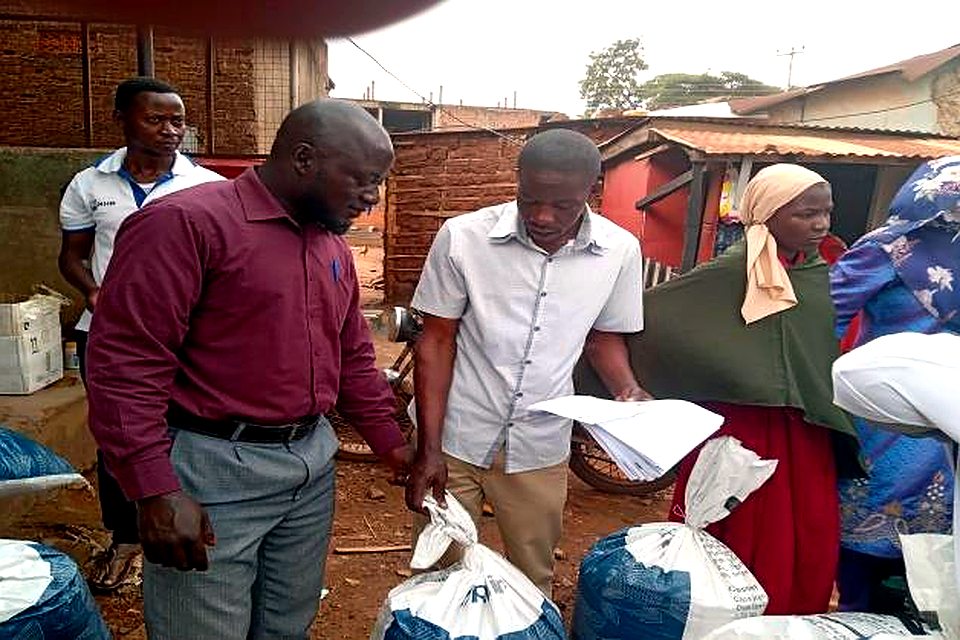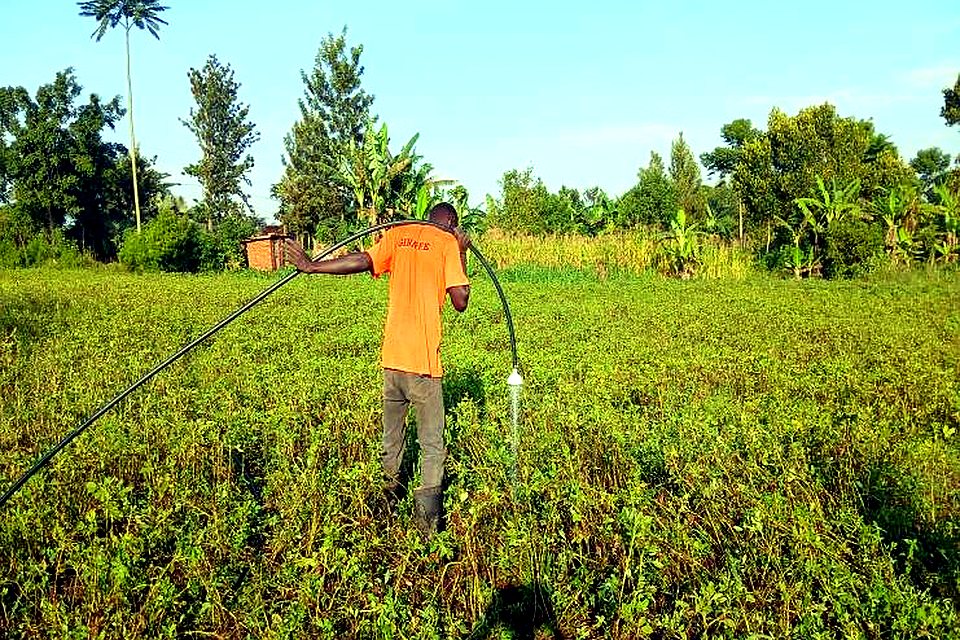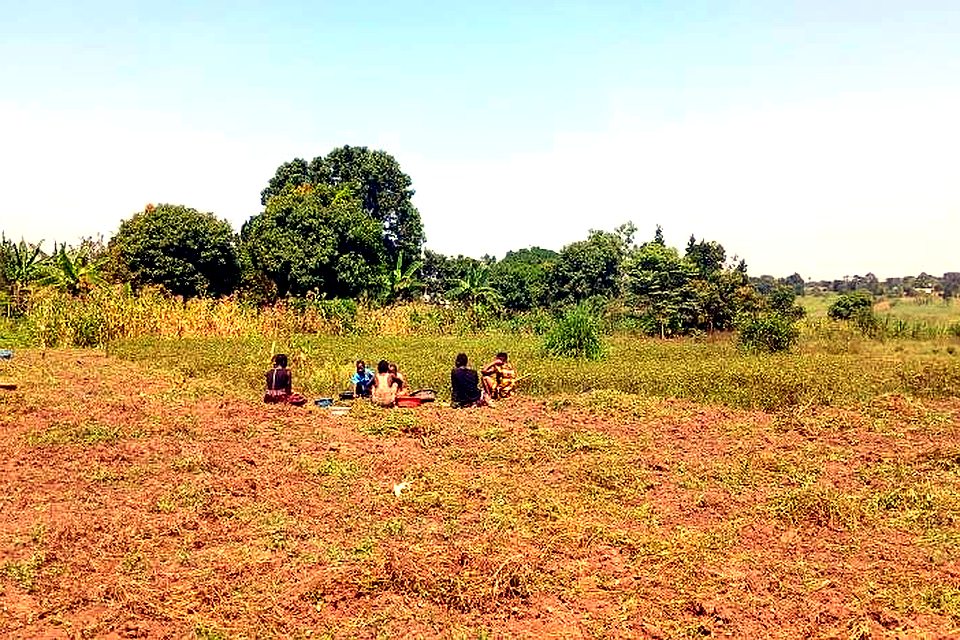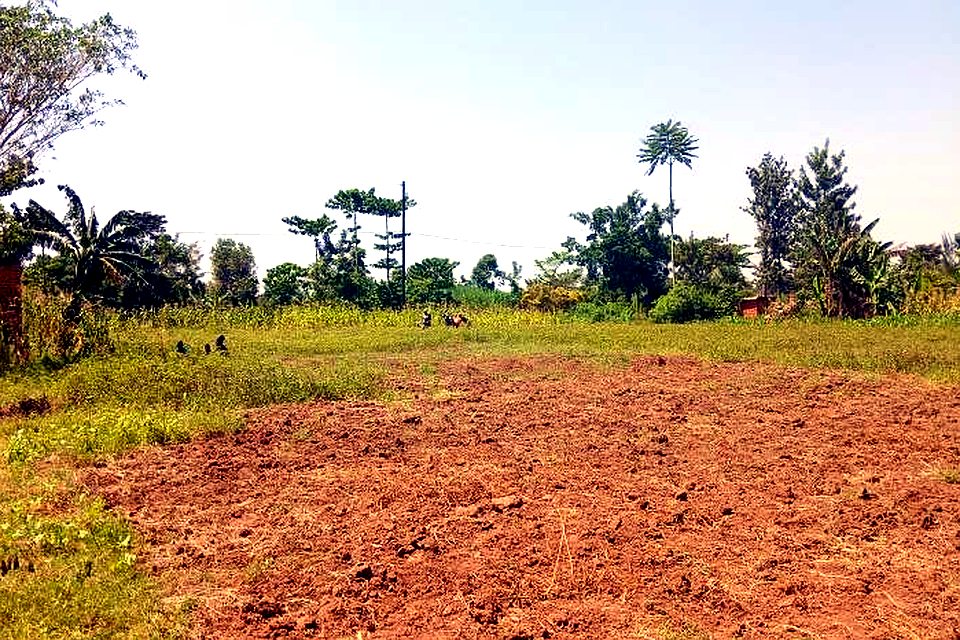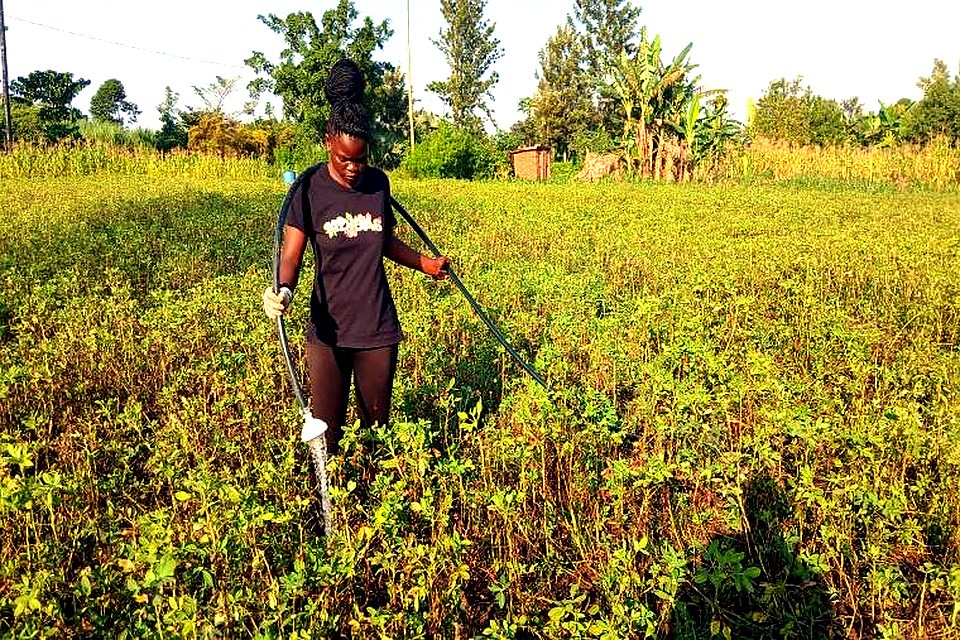
Figures from AMUKA Busoga Region Initiative field reports (August & November 2025).
Building sustainable livelihoods through a community seed revolving system in Namutumba District.
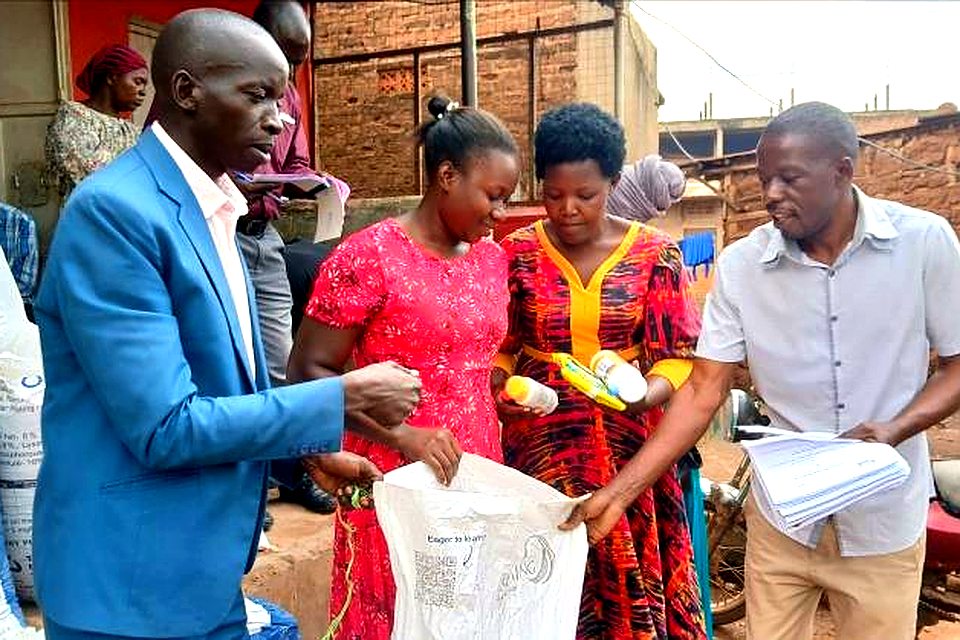
The AMUKA Groundnut Seed Multiplication Project demonstrates UGAD's commitment to empowering farming communities through sustainable agricultural development. Implemented with community farmer groups in Namutumba District, it promotes improved groundnut production using a revolving seed model that enables farmers to support one another while expanding access to quality planting seed.
Rather than distributing seed as a one-time intervention, participating farmers return part of their harvest after each growing season. The recovered seed is then redistributed to additional farmers, allowing the project to expand naturally while strengthening community ownership and long-term sustainability.
To improve household food security, agricultural productivity and household incomes through a sustainable community-based revolving seed system.
The project began with 25 pioneer farmers, each receiving improved groundnut planting seed to cultivate approximately one acre of land.
1,250 kg of improved groundnut planting seed was distributed to participating farmers in July 2025 — enabling higher production while maintaining seed quality for future seasons.
After harvest, farmers return an agreed quantity of seed to a community-managed seed bank, which is then redistributed to new households — reducing dependency on external support.
Following the first season, the number of farmers registering to join the next round grew to roughly twelve times the original group.
Farmers recognise the seed not as a donation but as a shared community resource to continue benefiting future households.
An initial community investment of around UGX 8.5 million established a system designed to keep generating agricultural and economic benefits.
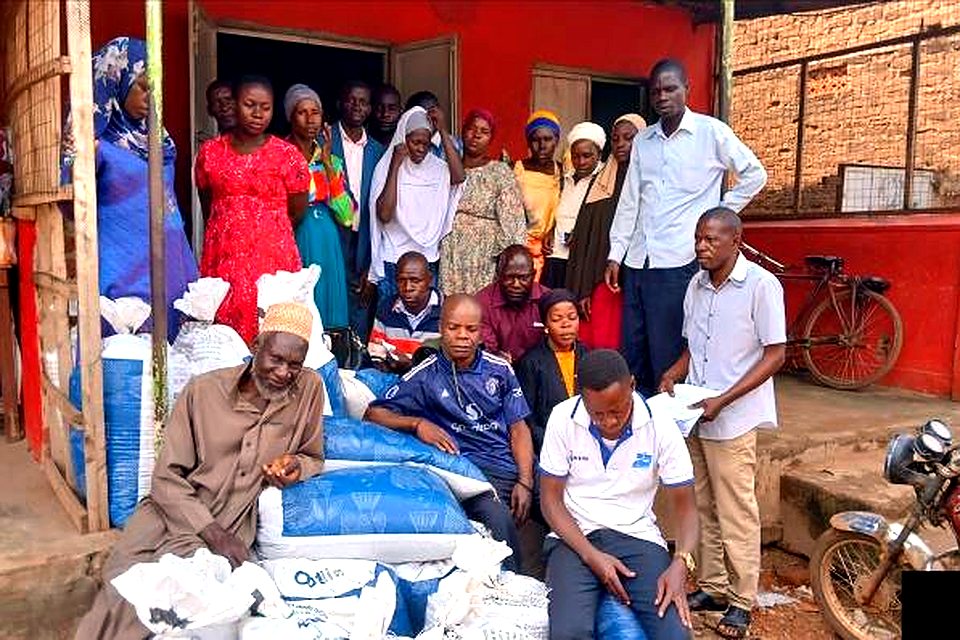
Unlike traditional projects that conclude after distributing inputs, the AMUKA Project is designed to keep expanding with every growing season. Its long-term sustainability rests on community ownership rather than continued external support.
Integrated interventions — sustainable agriculture, income generation, skills, entrepreneurship, savings and financial inclusion — that strengthen household resilience.
Working with farmer groups, savings groups and cooperatives to strengthen leadership, governance, financial management and accountability.
Collaborating with communities, faith and government institutions, development partners and the private sector to combine knowledge, expertise and resources.
Improved agricultural productivity and nutrition.
Increased opportunities for sustainable livelihoods.
Greater participation of women in economic activities and leadership.
Improved skills, employment opportunities and entrepreneurship.
Stronger community organisations managing local development.
Climate-smart practices that protect natural resources.
Relatively small community investments can generate lasting agricultural and economic benefits when local ownership is prioritised. Partner with us to expand this impact.