
UGAD believes that good governance is the foundation of sustainable development. Our governance systems promote transparency, accountability, ethical leadership and responsible stewardship of resources — ensuring that every decision contributes to our mission of transforming communities and improving livelihoods. Strong governance enables us to build trust with communities, development partners and government institutions while strengthening the effectiveness and sustainability of our programmes.
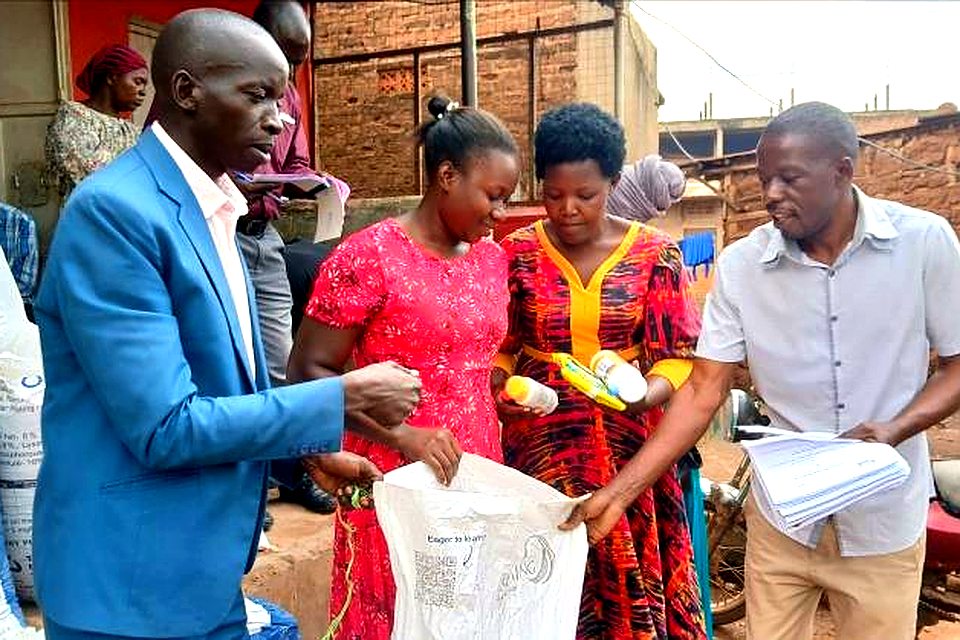
Good governance is not confined to the boardroom. Every distribution is recorded, every beneficiary acknowledged and every community resource accounted for — because accountability to the people we serve matters as much as accountability to our partners.
These practices build the trust that allows community-owned systems, such as the AMUKA revolving seed bank, to work.
See How It WorksThe Board of Directors is the highest policy-making and governance organ of UGAD. It provides strategic leadership, policy direction and oversight to ensure the organisation remains faithful to its vision, mission and objectives, while safeguarding long-term sustainability through sound governance and prudent stewardship.
Providing strategic direction and approving organisational policies and strategic plans.
Monitoring organisational performance and promoting accountability across the organisation.
Strengthening sustainability and safeguarding organisational assets.
Supporting resource mobilisation and building strategic partnerships.
Individual profiles and photographs will be added in due course.
Highest policy-making and governance organ.
Where established, supporting focused oversight.
Translating strategy into organisational direction.
Overseeing day-to-day operations and delivery.
Implementing programmes in the field.
Active partners in programme implementation.
High standards of ethical leadership, responsible decision-making, transparency, compliance, risk management and performance monitoring that strengthen institutional credibility and public confidence.
Responsible stewardship of resources, transparent decision-making, ethical financial management and accountability to communities, partners and donors — extending to programme quality and organisational learning.
Proactive identification, assessment and management of operational, financial, strategic and reputational risks — encouraging informed decision-making, resilience and responsible stewardship.
A MEAL framework that measures performance, monitors progress, captures lessons, improves decision-making and demonstrates development impact.
Honesty, fairness, professionalism, respect, confidentiality and responsible leadership — upheld by every member of the organisation.
Open communication, responsible governance and constructive engagement with all stakeholders — enhancing accountability and strengthening long-term partnerships.
To manage resources responsibly and remain accountable to the communities and partners who place their trust in us. Good governance is not simply about compliance — it is about building confidence, strengthening institutions and ensuring every decision contributes to lasting transformation.